
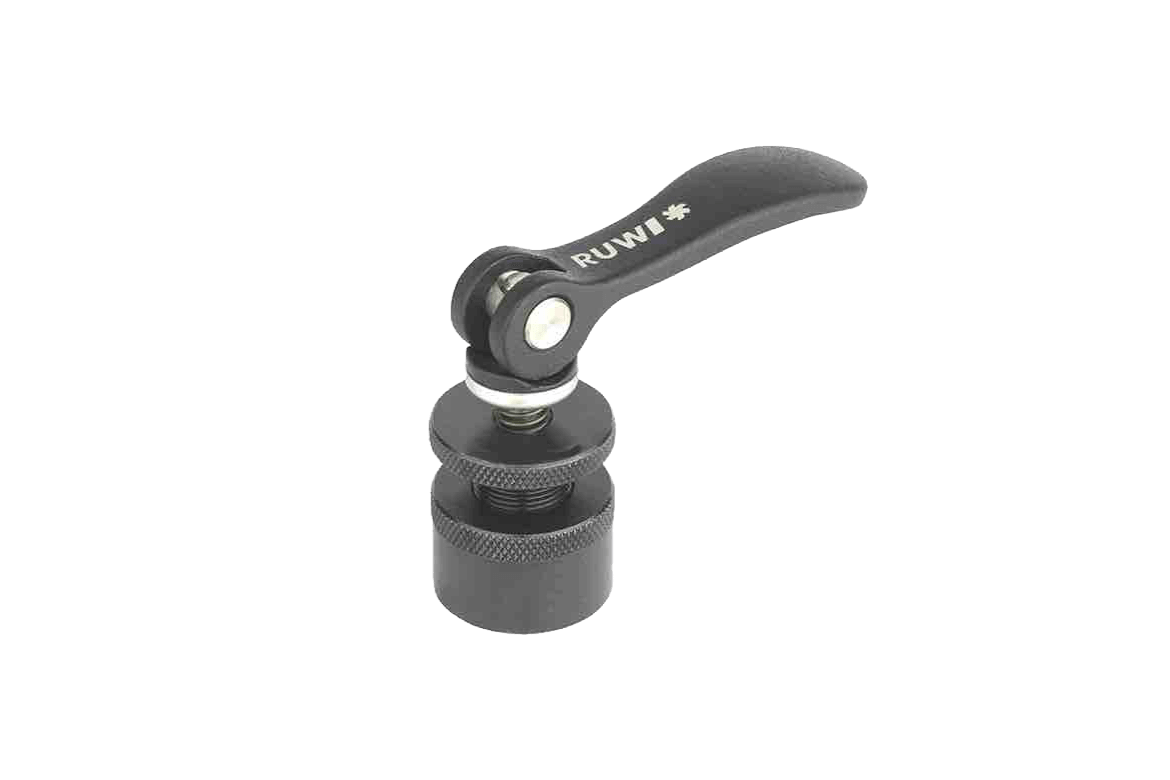


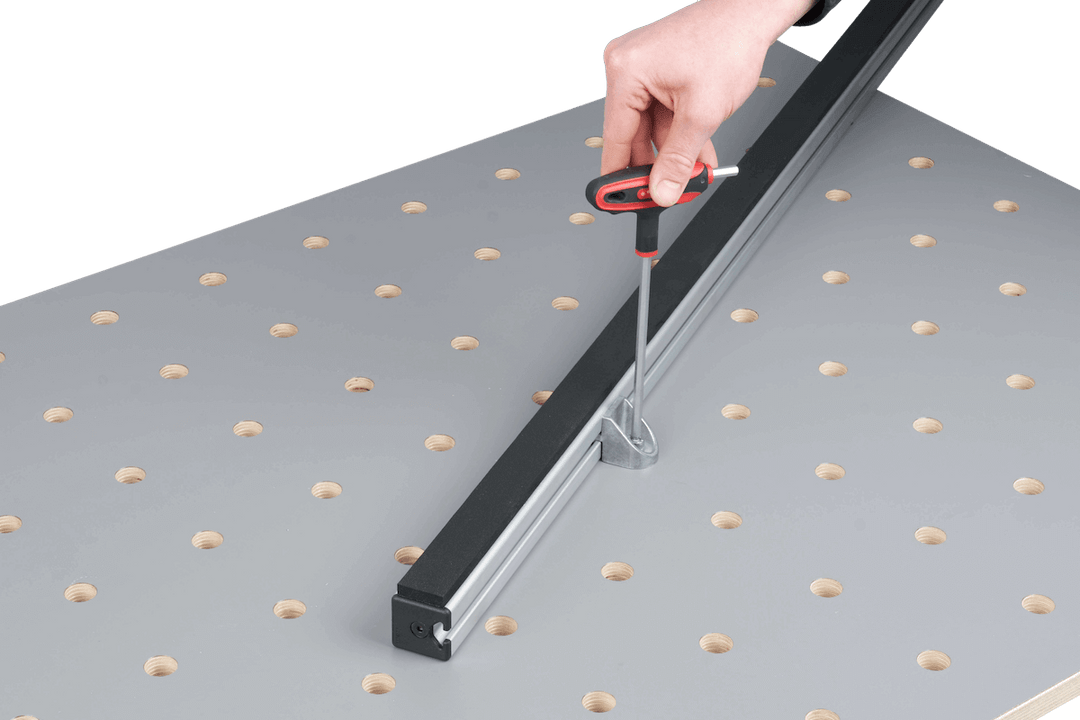
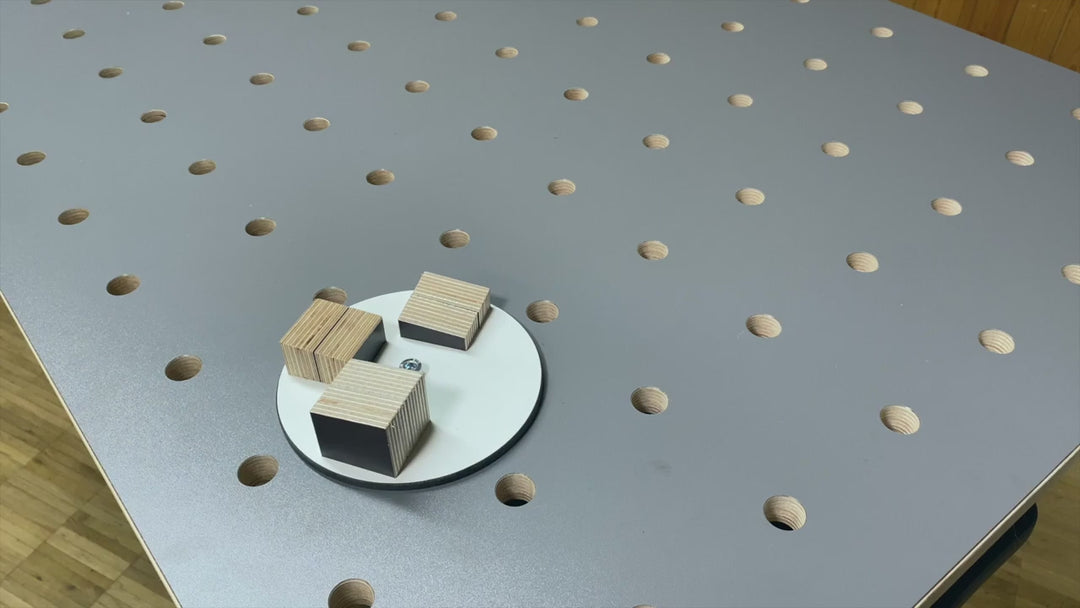
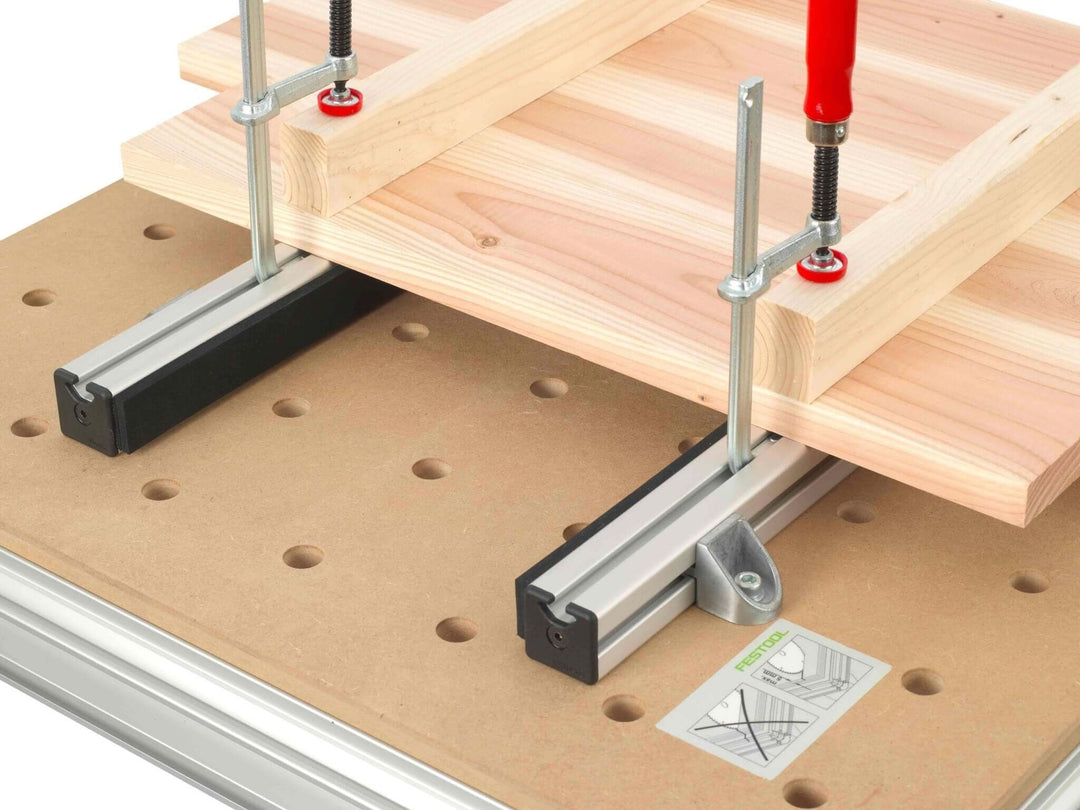


Clamping bracket with clamping bolt Ø 20 with screw
RUWI27666
Calculated for your business
Deductible immediately in the year of purchase
Less than €800 net: The full amount reduces your profit in the year of purchase—provided the item can be used on its own; accessories are capitalized along with the machine (Section 6(2) of the Income Tax Act) · €26.24 gross
≈ €15 effective for your business
€26.24 (including tax).
Business, 30% tax rate, delivery this month. Special depreciation under Section 7g requires a maximum profit of €200,000 in the previous year—above that amount, only declining-balance depreciation applies. This is for informational purposes only and does not constitute tax advice.
- Made in Germany
- By woodworking professionals, for woodworking professionals
- Spare parts are always available
- In stock – Delivery time: 1–3 business days

Not sure if this is a good fit for your workshop? During our workshop consultation, we’ll take a look at it together—in person, via video, or at a partner location. It’s free, with no pressure to buy.
Schedule a workshop consultationPackages are shipped via DHL or DPD and usually arrive within 1–2 business days. You'll receive a tracking number via email.
Router tables, lifting tables, and other large tools are shipped via Schenker, usually arriving in about 3 business days. Upon request, the carrier can deliver on a specific date—just coordinate the details with them by phone. If delivery takes longer than expected, we'll let you know in advance.
Packaging Dimensions
Our tools and machines are built to last. We use only high-quality components and have gained extensive experience in preventing problems in the workshop. That’s why we have no issues with warranty claims—even if they extend beyond the 2-year warranty period. We’re always looking for a good solution that works for both of us.
We have 100% of our replacement parts in stock.