





Choosing the right cutter starts with the workpiece.
Radius, Fase, Nut oder bündig – sag uns, was entstehen soll, woraus es besteht und womit du arbeitest. Wir empfehlen dir das passende Werkzeug: ab Lager aus Fluorn-Winzeln oder aus rund 3.700 Werkzeugen von Titman und ENT, die wir für dich bestellen.
Rounding · Chamfering · slot · Flush Milling · Drilling · Indexable Inserts and Replacement Parts
Three or four questions · less than a minute · no registration required
You don't need this for your referral—the advisor above will ask you everything you need to know.
One query instead of a thousand rows in a list
Fräswerkzeug kauft man nicht nach Katalognummer, sondern nach Aufgabe: Das Material entscheidet den Schneidstoff, die Maschine den Schaft, die Stückzahl die Bauart – festbestückt oder mit Wendeplatten. Genau diese Fragen stellt dieser Berater. Die gängigsten Kantenfräser liegen bei uns im Schwarzwald auf Lager; alles andere bestellen wir aus rund 3.700 Katalog-Werkzeugen direkt für dich – mit Antwort innerhalb eines Werktages. Wer lieber liest statt klickt: Hier steht das Wissen hinter den Fragen.
Here's how to find the radius of your edge
A rounding cutter is selected based on its radius, not its diameter. When replicating a part, the quickest way to measure the existing radius is with a radius gauge: Place the edge into the corner; the arc that fits snugly without a gap is your R. A printable template with the standard radii from R 2 to R 12.7 is available in the guide. For new workpieces, the rule of thumb is: R 2 to R 4 creates a noticeable break in the edge, R 6 to R 8 creates a visible rounding, and starting at R 10, the rounding becomes a design element. The stock selection of radius cutters covers R 2 to R 12.7; larger radii are available from the catalog.
Chamfer angle: 45° is the standard, not a requirement
The 45° bevel is the most common—two mitered pieces form a right angle, which is why we keep it in stock. In addition, 15°, 22.5°, and 30° angles each have their specific uses: 15° for a fine edge rounding that adds almost no material, 22.5° for octagonal cabinet bodies, and 30° for a visible bevel on fronts and tops. Important when purchasing: The angle is fixed in the tool—unlike the depth, it cannot be adjusted. If you use it frequently, the indexable insert version is a better choice: simply rotate the cutting edge instead of sending it to a sharpening service.
Groove width: one cutter, one pass
The clean slot is created in a single pass: the cutter diameter equals the groove width. The 8-mmslot for back panels and system holes is the classic choice, along with 6, 10, and 12 mm options. If necessary, you can make two passes with a narrower router bit—but this takes time, and the width rarely matches to the nearest tenth. For production runs, it’s worth considering indexable-insert groove cutters: same slot, interchangeable cutting edges. And for 12 mm, it’s worth checking whether you really need 12.0 mm or the inch-based 12.7 mm—the difference determines whether the bottom will rattle.
shank 8 or 12 mm – and when the tool should be placed in the table
The shank must match the collet : Hand-held routers typically have a 8 mm collet, while bench routers use a 12 mm collet. Many tools are available in both sizes—the advisor will show you the right choice based on the result. If in doubt, a reducer sleeve connects the 8-shank e to the 12- e. The second rule is physics: Large diameters belong on the table, not in your hand—flattening cutters and gluing profiles are used in a stationary setup, with the workpiece guided.
HW, VHM, or DP: The cutting tool material is chosen based on the workpiece material
Carbide-tipped (HW) is the standard for solid wood—tough enough for knots, sharp enough for clean edges. Solid carbide ( solid carbide , VHM) really shines with its rigidity when working with laminated panels: spiral and finishing cutters with a pulling cut leave melamine edges free of tear-outs. Diamond-tipped (DP) tools are the solution for abrasive materials—HPL, compact, and mineral-based panels. The additional cost may seem daunting at first; however, when calculated over the tool’s service life, DP is usually the most cost-effective option per meter of edge. For acrylic glass and aluminum, there are specialized single- and double-fluted cutters with polished chip spaces.
When Are Indexable Inserts Cost-Effective?
The math is simple: A fixed-tooth milling cutter has to be sent out for regrinding—each cycle involves the cost of replacement, shipping, and downtime. With the indexable-insert version, you turn the cutting edge in the shop: four edges, then a new insert for just a few euros. Whether the extra cost is worth it depends on your hourly rate and how often the tool is used—as a rule of thumb: daily use almost always pays off, while a tool used only on weekends almost never does. The hourly rate calculator knows your actual hourly rate.
Calculate an honest hourly rate → 45° chamfer on indexable inserts →
Rotational Speed by Diameter
The larger the milling cutter, the slower it must rotate—otherwise, the cutting edge on the outside will rotate faster than the tool can handle. The guidelines for the maximum speed are:
| Cutter Diameter | Max. speed |
|---|---|
| 1–25 mm | 24.000 U/min |
| 26–50 mm | 18.000 U/min |
| 51–75 mm | 16.000 U/min |
| 76–100 mm | 12.000 U/min |
Das sind Obergrenzen aus dem Durchmesser, keine Empfehlungen. Viele Werkzeuge sind vom Hersteller niedriger freigegeben – im ENT-Programm reicht die höchste zulässige Drehzahl von 1.800 bis 30.000 U/min, je nach Bauart und nicht nur nach Größe. Bohrer streuen noch weiter: vom langen Schlangenbohrer mit 700 U/min bis zum kleinen Dübelbohrer mit 24.000. Beim Einspannen gilt: Schaft sauber und fettfrei mindestens bis zur Markierung in die Zange – die Mindest-Einspannlänge regelt DIN EN 847-2. Maßgeblich ist immer die Angabe auf deinem Werkzeug und die Anleitung deiner Maschine, nie diese Tabelle.
Replacement Parts Instead of Buying New
A milling cutter is rarely at the end of its service life simply because one part is worn out. Indexable inserts are available in all standard lengths from 7.5 to 60 mm, and guide bearings from Ø 8 to Ø 47—including plastic-coated versions for delicate surfaces. If you know your milling cutter’s part number, the advisor will directly match you with the right parts; if you only know the dimensions, you can find what you need by entering the size. This typically saves you two-thirds compared to buying a new one.
Get Started Right Away: The Most Common Ways
- R 6 Rounding Cutter – The Best-Selling Rounding Tool
- 45° Chamfering Cutter with Indexable Inserts – for the Series
- 8 mm Groove Cutter – Back Panel and System Hole
- flush trim bit – Edge banding and template
- Countersink Drill Bit – Drills and Countersinks in One
- Anchor Drill Bit Ø 8 – Clockwise and Counterclockwise Rotation
- Tine Cutter – The Visible Connection
- 30-mm Reversible Blade – Replace Instead of Sharpening
What we're asked about
Which " shank " is right for my machine—8 or 12 mm?
Hand routers typically have an 8-mm collet, while bench routers have a 12-mm collet. Many tools are available in both versions—the consultant demonstrates the difference directly on the finished product. If necessary, a reducer sleeve can be used to connect the 8-shank t to the 12-mm collet.
What do HW, VHM, and DP mean when referring to milling cutters?
HW is cemented carbide on a steel body—the standard for solid wood. VHM stands for solid carbide ( solid carbide); it offers greater rigidity and a finer cut, and is typically used in spiral and finishing cutters. DP stands for diamond: when used on HPL, compact, and abrasive panels, it lasts many times longer.
How can I determine the radius of an existing edge?
Using a radius gauge: Place the edge against the corner—the arc that fits snugly without a gap is your R. A printable template with radii ranging from R 2 to R 12.7 is available in the guide.
When is the indexable insert version a good choice?
As soon as regrinding causes downtime: Turning the cutter takes minutes, while the sharpening service takes days. Multiply the hourly rate by the changeover time per sharpening cycle—this calculation is included in the consultant’s report for every indexable insert recommendation.
Do you also order tools that aren't in stock?
Ja. Die gängigen Kantenfräser liegen im Schwarzwald auf Lager, alles andere bestellen wir aus rund 3.700 Katalog-Werkzeugen für dich – ein Paket, eine Rechnung, Antwort innerhalb eines Werktages.
What is the maximum speed my milling cutter can rotate at?
Je größer der Durchmesser, desto langsamer: bis 25 mm höchstens 24.000 U/min, bei 26–50 mm noch 18.000, ab 76 mm nur 12.000. Das sind Obergrenzen – viele Werkzeuge sind niedriger freigegeben, Bohrer je nach Bauart zwischen 700 und 24.000 U/min. Maßgeblich ist die Angabe auf deinem Werkzeug, nie die Tabelle.
Are there replacement parts for my old milling cutter?
Often, yes: We carry reversible cutting edges, guide bearings, screws, and collets across our entire product line. Just enter your milling cutter’s part number into the advisor—it will list the compatible parts, including those for discontinued models, while supplies last.
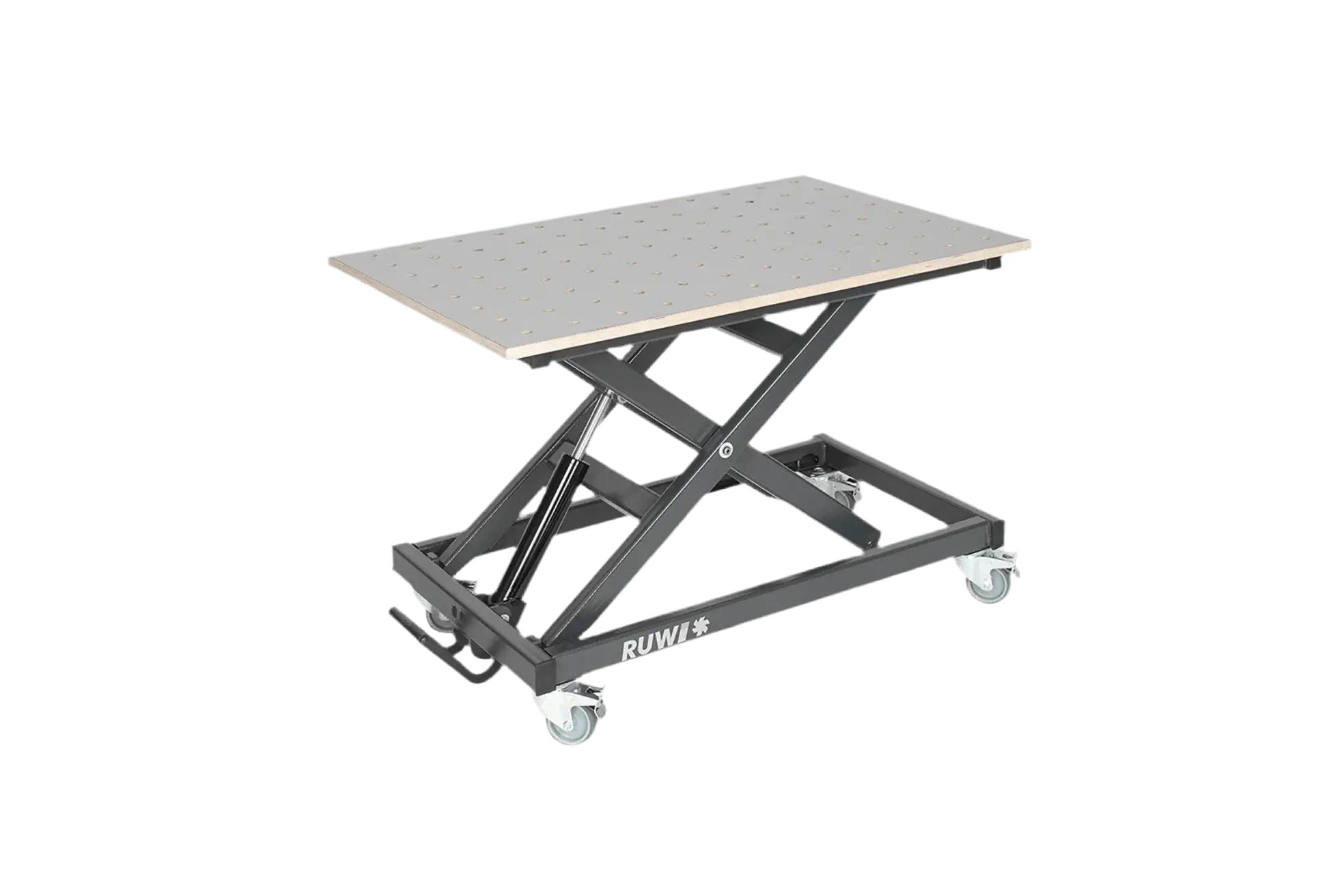
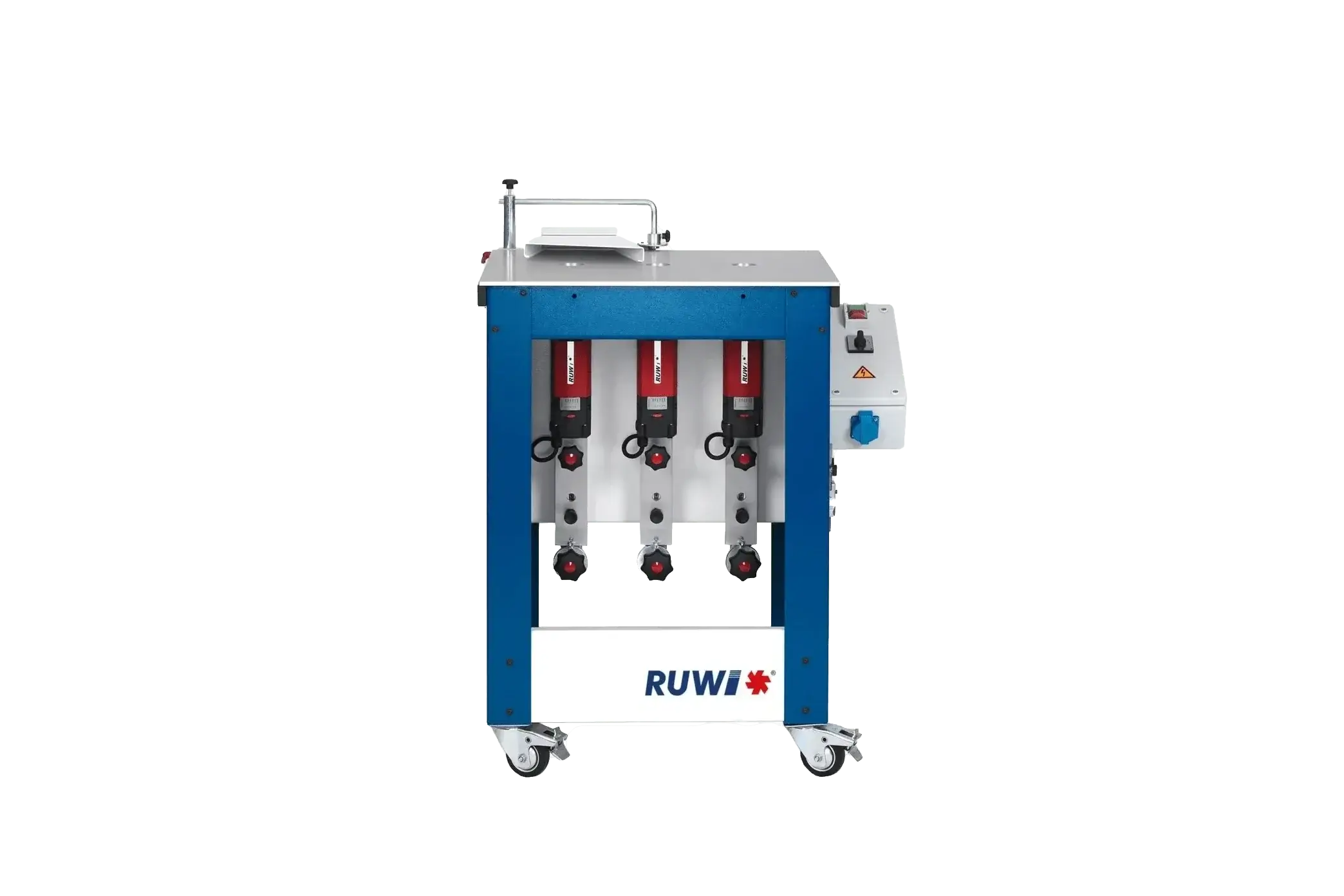
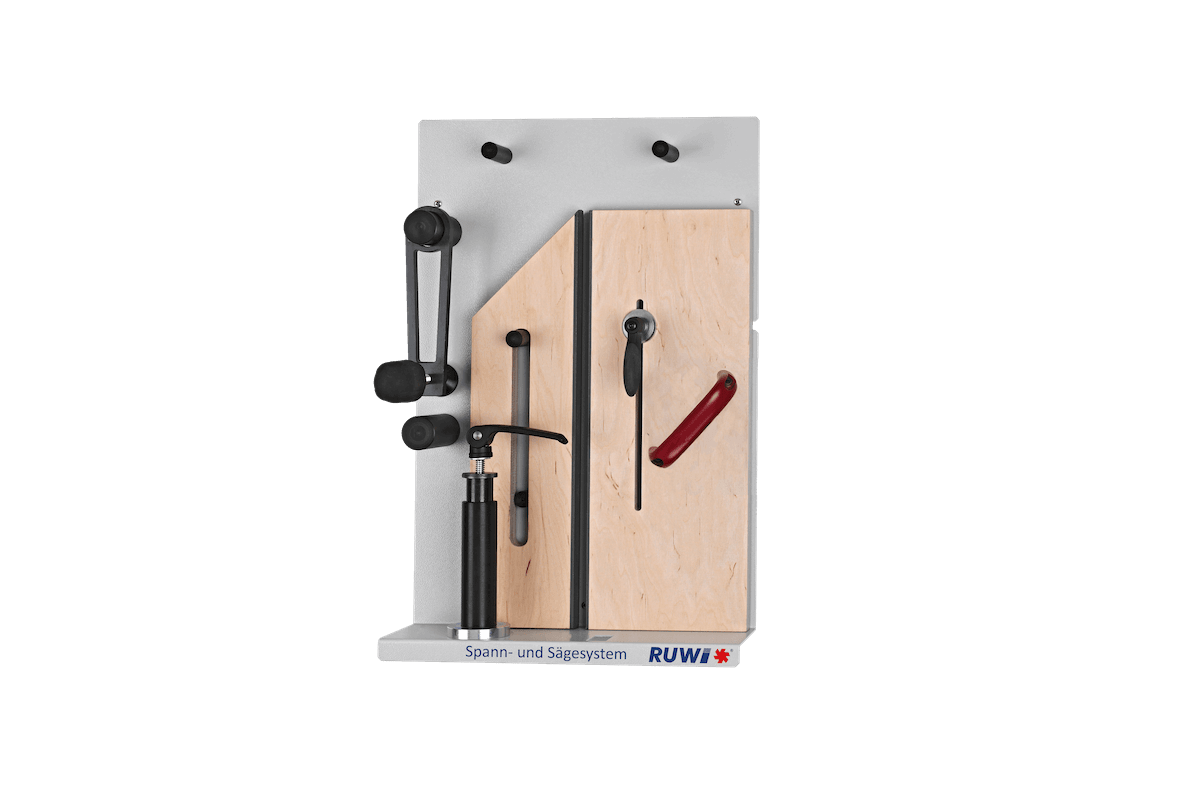
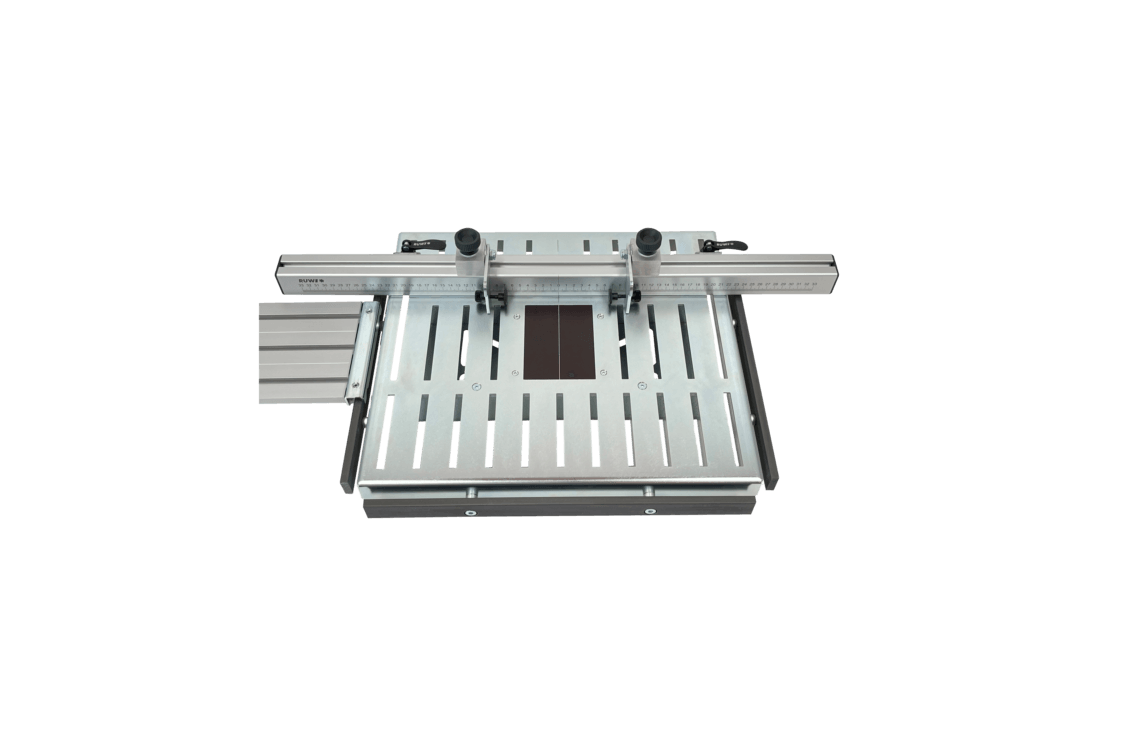
You can find more tools for your workshop in the " RUWI " workshop accessories section, the right table for them in the " router table" configurator, and the complete inventory in the " Milling Tools" category.