




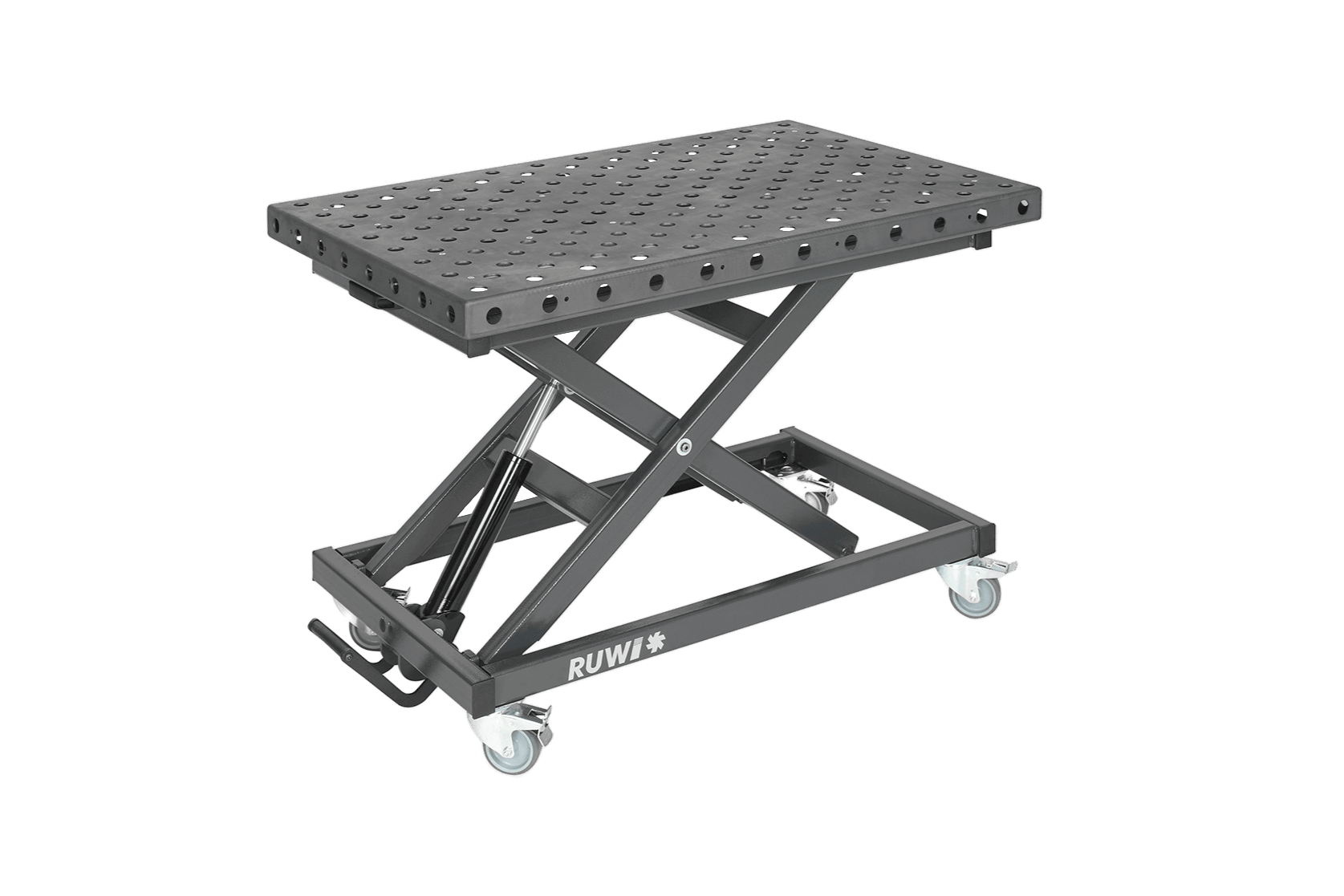
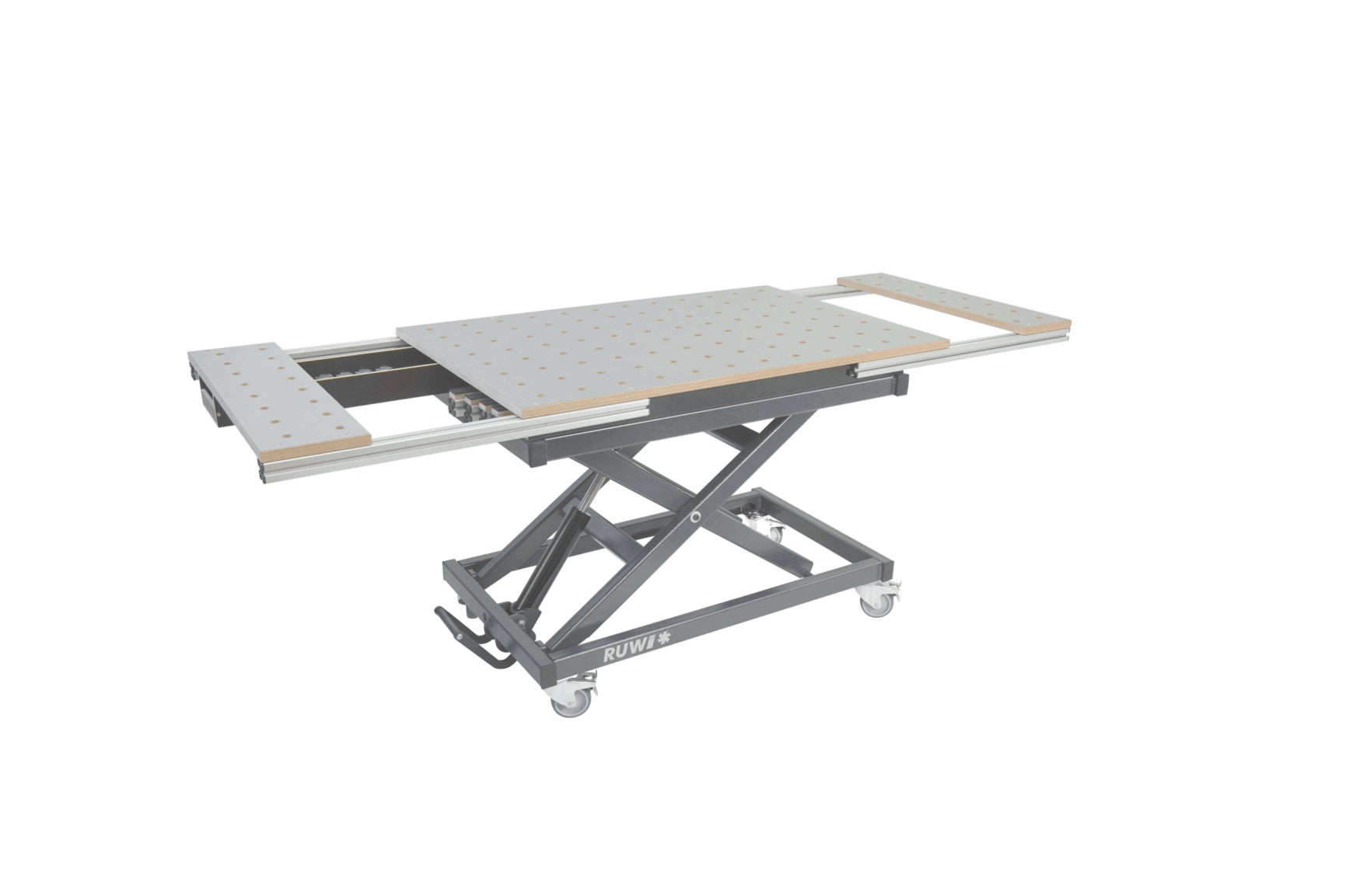


Depreciation Calculator
What the machine really costs to operate
The label shows the list price. What you end up paying depends on sales tax, depreciation—and the month in which you make the purchase. Work out the numbers for your device using the rules that will apply in 2026.
We include the accessories in the total cost of the main unit—the conservative approach. Anything you use independently of the device can be deducted immediately up to €800 net; you should check with your tax advisor.
What Remains
When the money will be returned
The Month Nobody Expects
The special depreciation deduction is not divided into twelve equal installments
What matters isn't the order, but the delivery: Any items you receive by December 31 can still be reported as sales for this year.
Declining-balance depreciation is calculated on a monthly basis: Anyone who receives a delivery in December receives one-twelfth of the amount. The special depreciation under Section 7g does not work this way— it is an annual amount. A full 40 percent, even if the delivery is made on December 20.
That's no reason to buy something in December that you don't need. It's a reason not to put off a purchase you were already planning until the new year — and to order it in time so it arrives before the end of the year.
Calculated in reverse
In workshop hours
A number on its own doesn't mean much. Convert it to the currency you're used to thinking in.
Use the one you're working with—not the one you'd like to have.
—
To be honest
We build tools, not tax assessment notices
—
Section 7g has conditions that we cannot verify. Special depreciation and the investment deduction require a profit of no more than €200,000 in the previous year, at least 90 percent business use in the year of purchase and the following year, and that the asset remain at a domestic business location. Anyone who sells the equipment early or uses it primarily for private purposes loses the deduction retroactively. In the case of the investment deduction, there is an additional requirement: If the investment does not materialize, the tax office will reverse the deduction—with interest.
You don’t have to claim all 40 percent in the year of purchase. You may spread the special depreciation over the year of purchase and the following four years (Section 7g, paragraph 5). This is a better option for those who expect to make little profit in the year of purchase. Here, we’ll calculate the fastest option.
This is for guidance only; it is not tax advice. What you can deduct depends on your legal structure, profits, and how you use the asset. The declining-balance depreciation method applies only to purchases made on or before December 31, 2027. You should discuss the details with your tax advisor—that’s what the printable sheet is for.
If you rarely use the device, the simpler solution is usually the better value. We'd rather tell you when RUWI isn't worth it than sell you something that will just sit around.

Talk to a master cabinetmaker.
Face to face—in person, via video, or over the phone. No sales pitch—just a workshop discussion about your numbers and the right device for you.
Reiner Ruggaber · Master Cabinetmaker
What this calculator doesn't tell you: whether the tool is right for your job. The workshop advisor will check that—seven stations, less than two minutes per station.