





Schweikart hightech Holzteile GmbH
We want to find out what makes workshops successful and what has shaped them into what they are today. What principles lead to success, and what ideas drive them? In this series, we visit various businesses: from cabinet shops to woodworking studios and educational institutions, all the way to industrial facilities.
Where did your workshop story begin?
The history of the family-owned Schweikart business began in Balingen in 1976, when Heinz Schweikart decided to go into business for himself and took over a woodworking company that, at the time, supplied the thriving furniture industry of the Swabian Alb.

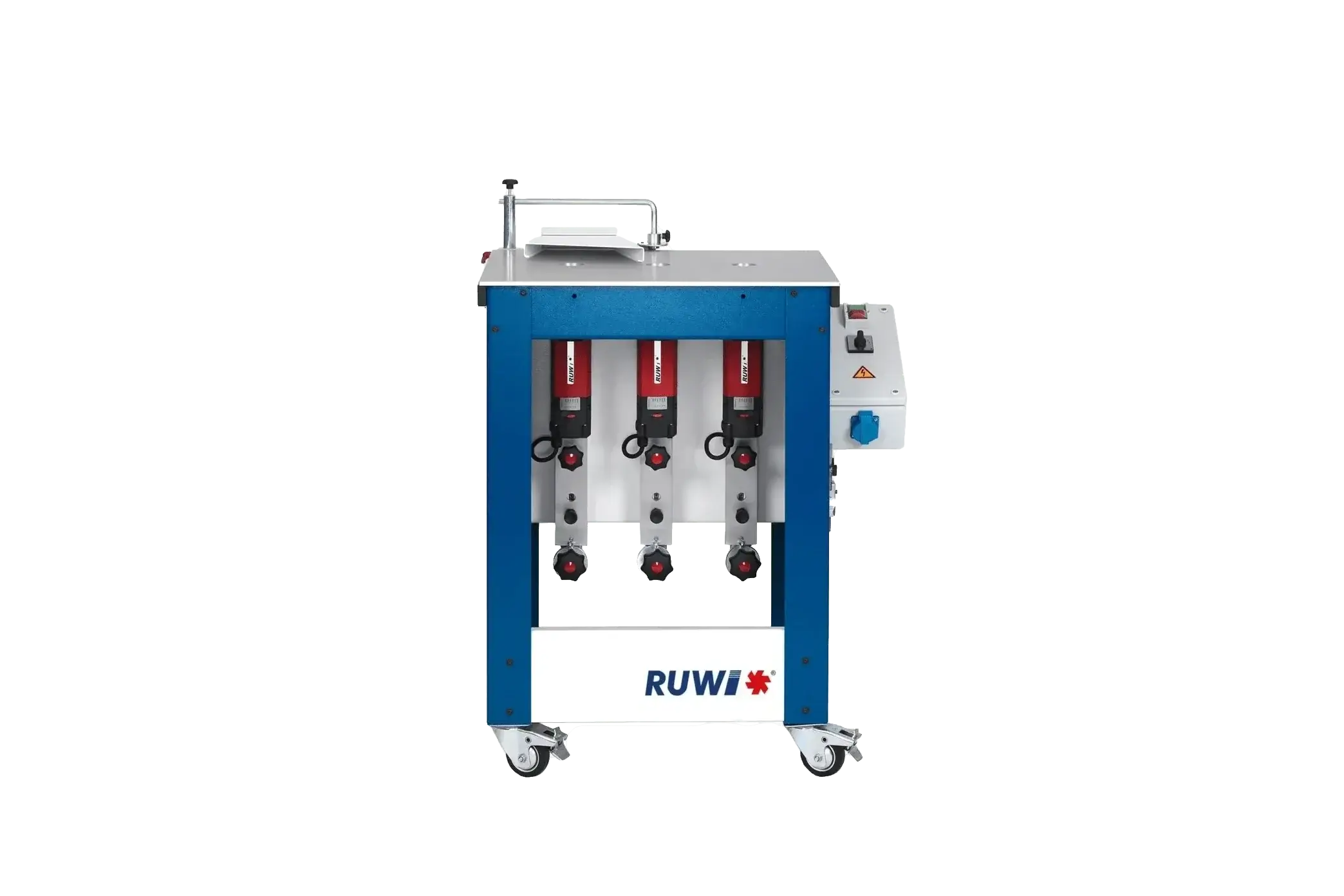
Edge rounding on the RUWI router table in the Schweikart workshop
How and why has your company evolved?
Throughout our company’s 50-year history, we have consistently succeeded in making the right decisions despite major market changes, in letting go of what is unimportant, and in boldly pursuing new and successful paths without straying from our core competencies. This development was only possible because we have always had valued customers and loyal partners by our side who have challenged, supported, and enriched us. The company has consistently met these customer needs with a highly motivated and highly qualified team, thereby continuously evolving.

A Look at Production at the Sulz Facility
What is the focus of your workshop? What are the principles that guide you as a company?
The company’s core expertise lies in modern, high-performance CNC machining centers. However, anyone who believes that this expertise lies solely in highly automated machines is mistaken. High machining efficiency is achieved when the runtime per part is utilized for secondary operations during CNC machining. For example, it can make sense to perform radius machining, drilling, or sanding operations in parallel with CNC machining. The RUWI machine thus often serves as a secondary workstation alongside the CNC and is therefore part of the machining center.

The RUWI router table as a secondary workstation next to the CNC machine
What would you like to share with others?
Show your customers that you truly enjoy working with them to find solutions, optimize products, and build trusting partnerships. Always keep your finger on the pulse of the market so you can identify the changes coming your way. Don’t view these changes as a threat, but as an opportunity.

Quality Control in Detail

Chamfering on the RUWI router table
How can people get in touch with you?
Feel free to contact us via our website, Instagram, or LinkedIn.

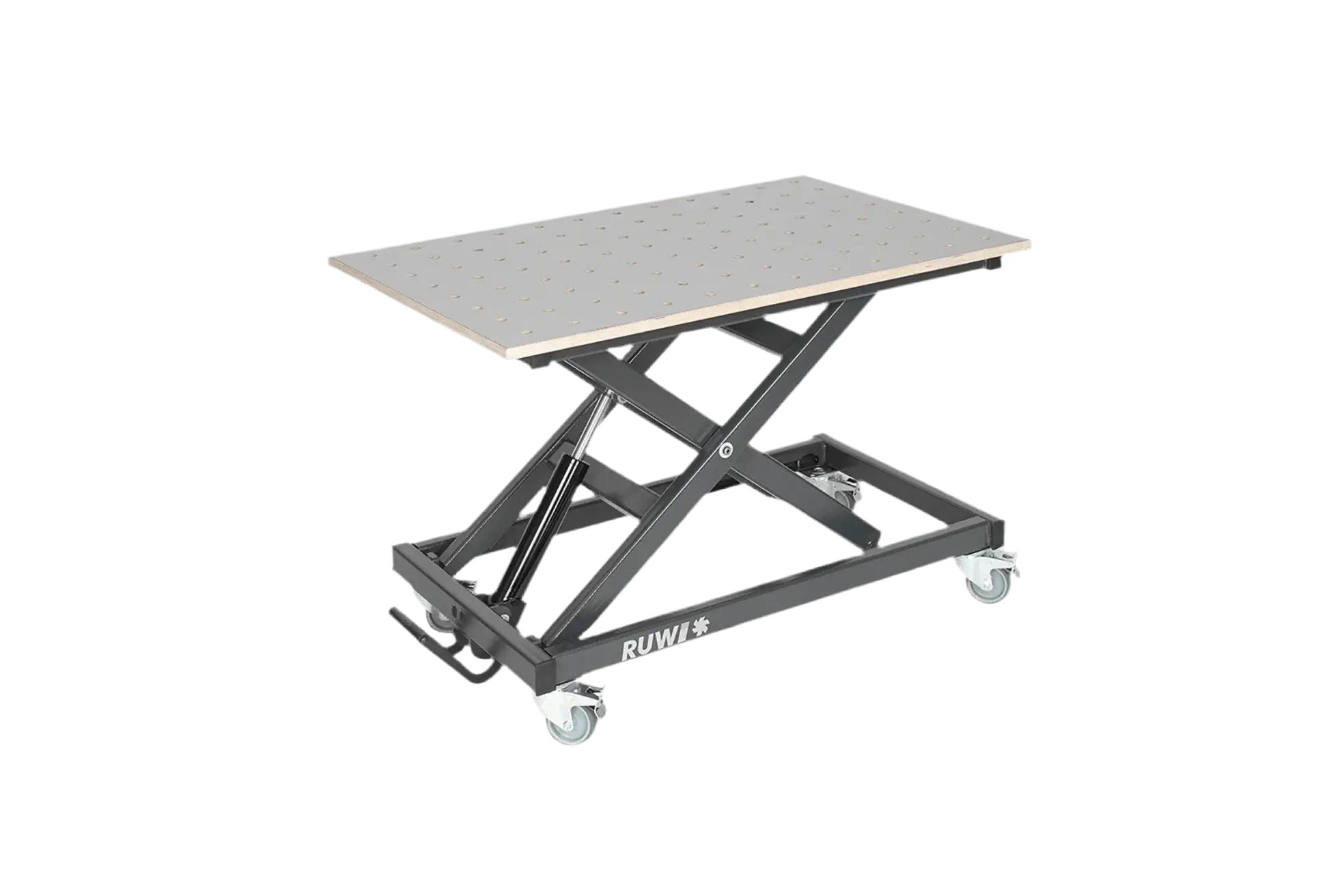
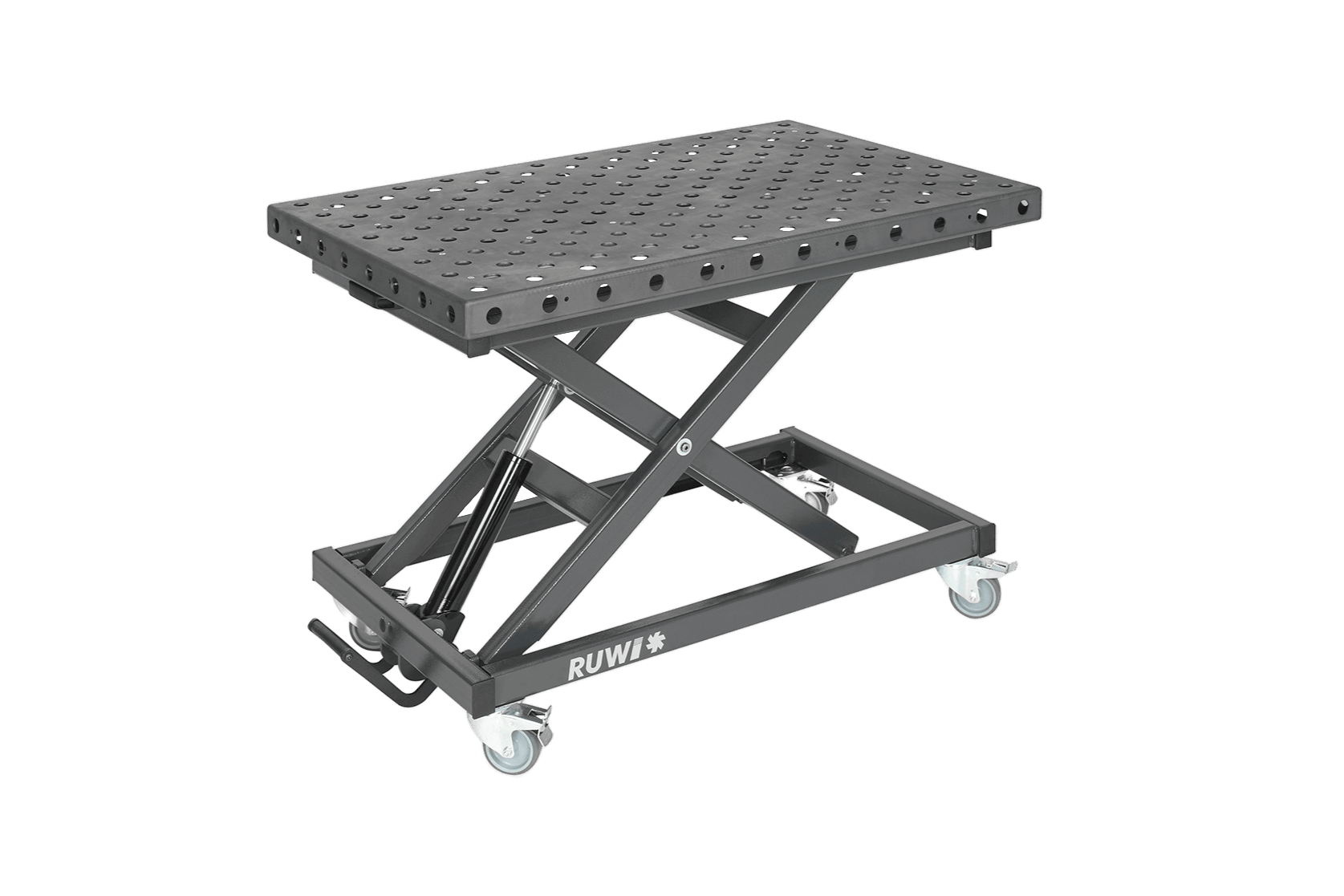
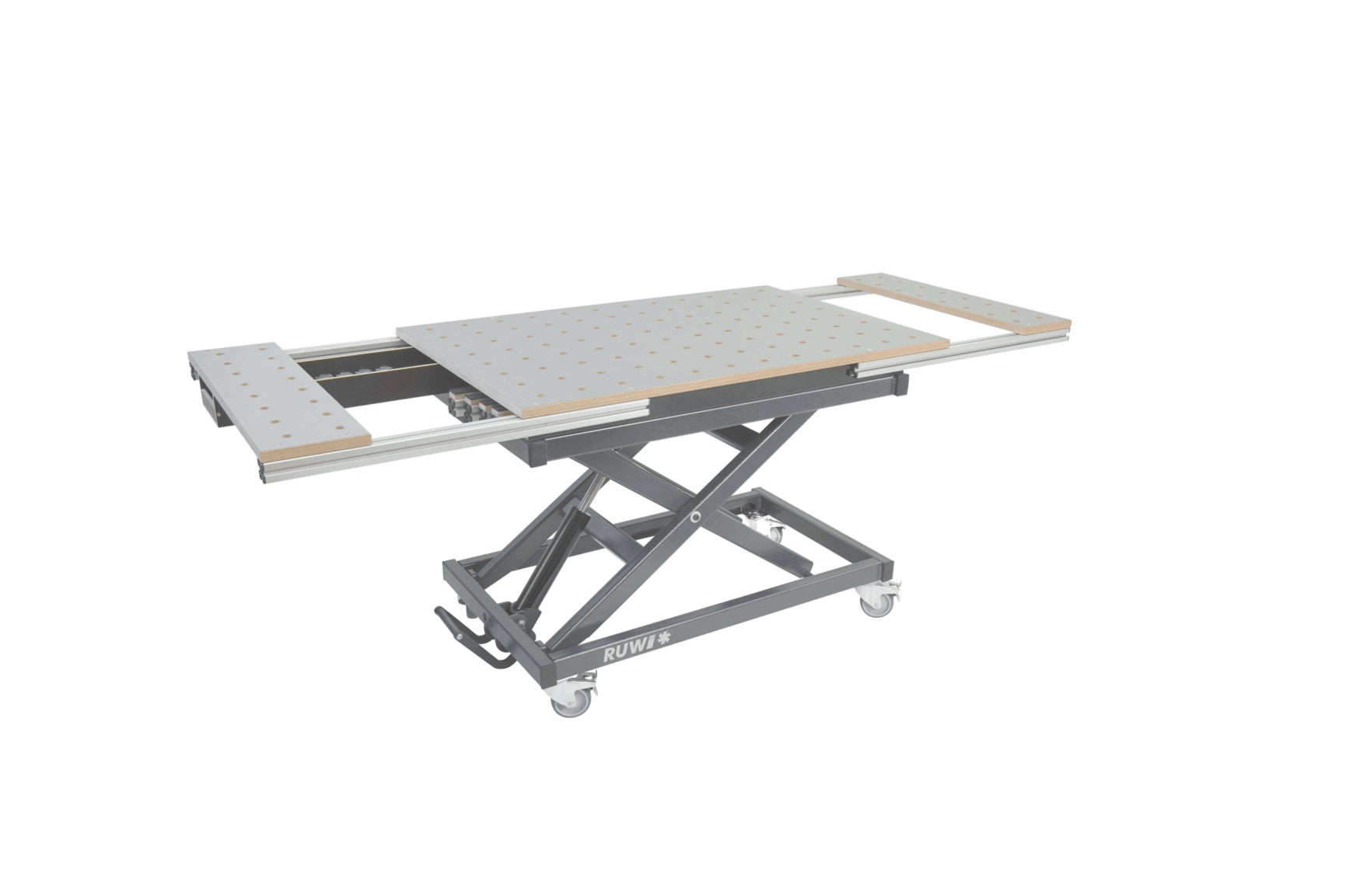
Work environment with RUWI lifting table

Panel saw in production

The RUWI lifting table in daily use


